 GMP-Certified
 Sourced Organically
 Free Shipping over $100


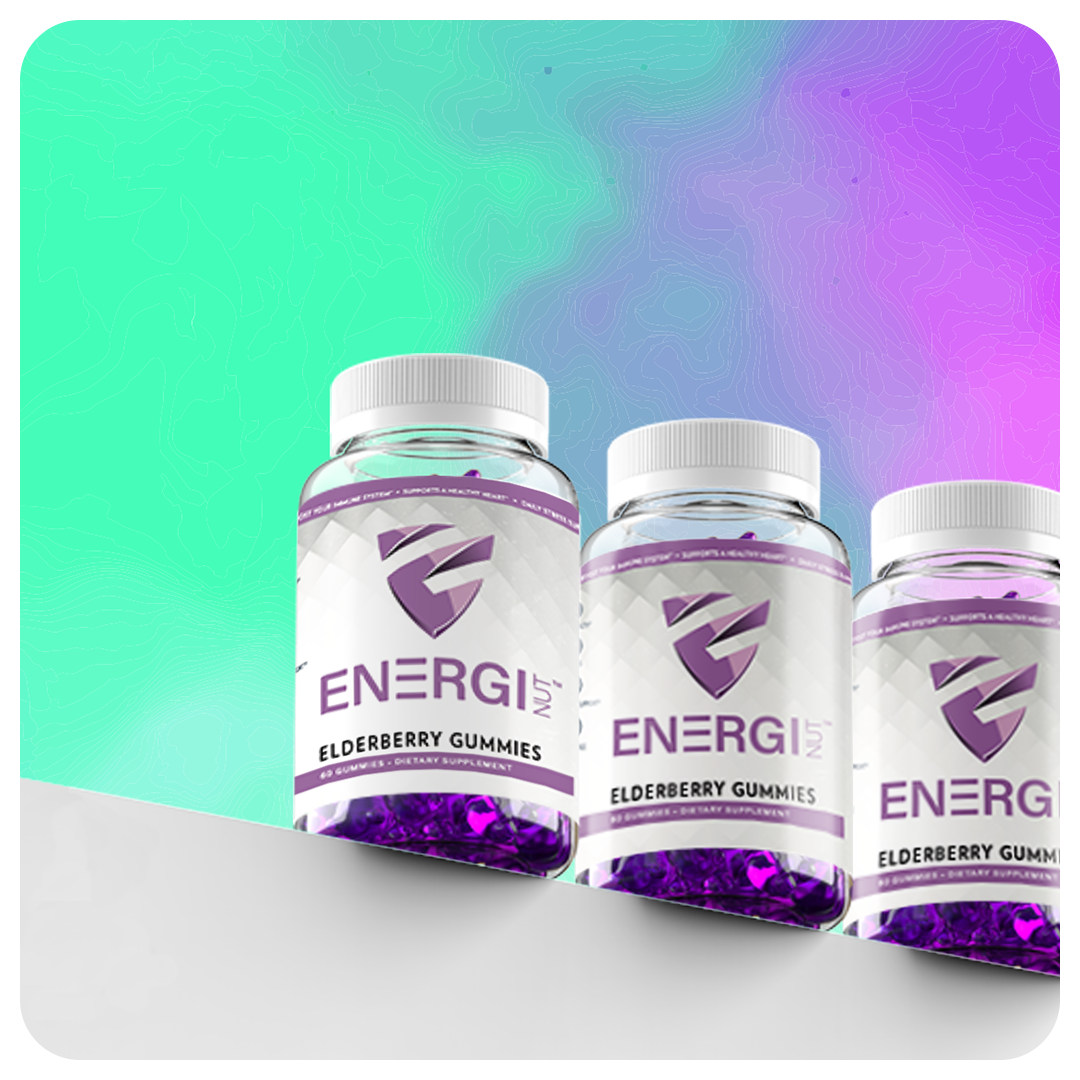
Your Gut Is Talking to Your Brain: Here's Why You're Anxious, Bloated, and Exhausted at the Same Time

Tired before your day even starts. Bloated by lunch. Anxious by afternoon, and you haven't even done anything yet.
That's not burnout. That's your body sending the same distress signal three different ways.
Your gut and your brain talk to each other constantly, and right now? That conversation isn't going well. Here's how to fix it.
The gut-brain connection is a real, documented communication system, and when your gut microbiome is off, your brain feels every bit of it through the vagus nerve.
What Is the Gut-Brain Connection? (And Why It Matters)
The gut-brain axis is a bidirectional communication highway linking your gastrointestinal tract to your central nervous system.
According to research published in PMC via the National Institutes of Health, this signaling system involves neural, endocrine, immune, and humoral pathways, and the vagus nerve is the primary carrier of those signals.
Here's the part that stops most people cold:
More than 90% of serotonin, the neurotransmitter most associated with mood and calm, is produced in your gut, not your brain.
That stat comes directly from peer-reviewed gut-brain axis research via NIH. So when your gut microbiome is off, your serotonin production is off. And when your serotonin is off, your mood, sleep, and stress response follow.
This isn't a fringe theory. It's established science, and it reframes everything about why you feel the way you do.
The Gut-Brain Symptom Map
If you've been experiencing a mix of physical and emotional symptoms you can't explain, this table connects the dots. Each one traces back to the same root: a gut that's out of balance.

These aren't five separate problems. They're five expressions of one underlying issue, and that's exactly why treating them one by one rarely works.
Why Your Gut Makes You Feel Anxious, Bloated, and Drained, All at Once
The triad of anxiety, bloating, and fatigue is one of the clearest signs your gut microbiome is in distress. Here's what's actually happening under the hood:
-
Dysbiosis Disrupts Your Stress Response
When the balance of beneficial bacteria in your gut is disrupted, a state called dysbiosis, your hypothalamic-pituitary-adrenal (HPA) axis misfires.
Cortisol floods your system and anxiety spikes, even when there's no real threat in the room.
Research from NIH-published psychobiotics research confirms that specific probiotic strains directly modulate HPA axis activity and reduce cortisol-driven anxiety responses.
-
A Leaky or Inflamed Gut Keeps Your Brain on High Alert
Chronic gut inflammation sends distress signals straight up the vagus nerve to your brain. Your brain interprets those signals as a threat and keeps you in a constant low-grade fight-or-flight state.
This is why so many people with IBS or chronic bloating also report anxiety or mood disorders. It's not a psychological weakness. IT'S BIOLOGY.
-
Poor Digestion = Poor Energy
When your gut isn't absorbing nutrients efficiently, because of inflammation, low enzyme activity, or imbalanced microbiota, your mitochondria don't get the fuel they need. The result is bone-deep fatigue that no amount of coffee seems to fix.
The 4 Gut Health Red Flags Most People Ignore
Most people chalk these up to stress or a busy lifestyle. Don't.
-
Bloating within 30 minutes of eating: Digestive enzymes or good bacteria can't keep up.
-
Anxiety with no clear trigger: Often gut-driven via HPA axis dysregulation.
-
Afternoon energy crashes: Poor nutrient absorption from an impaired gut lining.
-
Poor sleep despite exhaustion: Low gut serotonin means low melatonin. Less serotonin, less sleep.
If you're nodding along to two or more of these, your gut is waving a red flag.
How to Reset Your Gut-Brain Axis Naturally
-
Prioritize Probiotic Strains That Target Mood and Digestion
Strains like Lactobacillus acidophilus and Bifidobacterium species have demonstrated real neurological effects.
A double-blind RCT referenced in NIH psychobiotics research found multi-strain probiotics measurably reduced anxiety scores and cortisol levels in participants over 12 weeks.
-
Support Enzyme Activity for Better Nutrient Absorption
Digestive enzymes help break down food more completely, meaning more nutrients reach your bloodstream and your brain.
Low enzyme activity means you can eat a healthy diet and still come up short on the building blocks your body needs to make serotonin.
-
Reduce Inflammatory Triggers
Ultra-processed foods, alcohol, chronic stress, and poor sleep are the four biggest accelerants of gut dysbiosis. Reducing these inputs gives your gut breathing room to restore balance.
-
Choose Clean, GMP-Certified Supplements
The supplement market is crowded with fillers and vague labels. At Energi Nutrition, every product is GMP-certified, organically sourced, and made in the USA, because what goes into your gut matters as much as what that supplement is supposed to do.
"What I appreciate most is the transparency. Energi Nutrition delivers exactly what it says, pure, powerful supplements that actually work."
Which Gut Health Supplements Actually Support Mood and Digestion?
-
A high-quality probiotic blend: Lactobacillus acidophilus and Bifidobacterium strains to restore microbiome balance and support the gut-brain axis.
-
Digestive enzyme complex: Improves nutrient breakdown and absorption, especially if you bloat consistently after meals.
-
Adrenal and cortisol support: Addresses the HPA axis dysregulation that drives gut-linked anxiety.
Explore Energinut's full catalog at energinut.com/collections, or browse what customers trust most at our best-sellers collection. Every formula is GMP-certified with no proprietary blends.
➜ Browse All Energinut Wellness Collections
➜ Shop Best-Selling Gut & Wellness Supplements
The Bottom Line: Your Gut Deserves as Much Attention as Your Mind
The anxiety, the bloating, the bone-crushing fatigue, they're not three separate problems. They're one problem with one root.
Your gut is talking to your brain around the clock, and when that conversation goes sideways, your whole system pays the price.
The gut-brain axis is real, measurable, and, most importantly, it responds to the right support. Start with your gut. The rest tends to follow.
Have questions about which supplements are right for you? Reach out at energinut.com/pages/contact, and take the first step toward feeling like yourself again.
Frequently Asked Questions
Can gut health actually cause anxiety?
Yes. According to Johns Hopkins Medicine, gastrointestinal irritation sends signals to the CNS that directly trigger mood changes. Chronic digestive issues can be a root cause of anxiety, not just a symptom.
Why do I feel bloated and anxious at the same time?
Both symptoms often share one root cause: gut dysbiosis. An imbalanced microbiome reduces serotonin and GABA production while sending inflammatory signals up the vagus nerve, producing bloating and anxiety simultaneously.
How long does it take for probiotics to improve gut-brain symptoms?
Digestive improvements are typically felt within 2–4 weeks. Mood-related changes usually appear at 6–12 weeks. The NIH psychobiotics study referenced in this blog observed significant cortisol and anxiety score improvements at the 12-week mark.
What is the best diet for gut-brain health?
Focus on fiber-rich whole foods, fermented foods (yogurt, kimchi, kefir), and prebiotic sources (garlic, onions, bananas). Reduce ultra-processed foods, refined sugar, and alcohol, all of which accelerate dysbiosis. Diet builds the foundation. Targeted supplements then provide specific support within that environment.
Which probiotic strains are best for anxiety and bloating?
The most studied strains are Lactobacillus acidophilus, L. rhamnosus, Bifidobacterium longum, and B. bifidum. Per NIH research, these strains modulate HPA axis activity and support GABA and serotonin production, addressing both anxiety and digestive discomfort at the same time.


