 GMP-Certified
 Sourced Organically
 Free Shipping over $100


Is It Perimenopause or Burnout? How to Tell the Real Cause

Why So Many Women Feel “Off” but Can’t Explain Why?
Let’s clear the air for a second. If you’re exhausted but wired, emotionally fragile but high-functioning. And wondering why rest doesn’t “fix” anything anymore. You’re not imagining it. And no, you’re not just bad at handling stress.
For thousands of women in their 30s, 40s, and early 50s, this uneasy mix of fatigue, anxiety, brain fog, low motivation, and mood swings sparks one confusing question:
“Is this burnout… or is this perimenopause?”
So, here’s the kicker: it can feel exactly the same. So, let’s understand what’s actually happening in your body, and figure out the next smartest step. Without fear, fluff, or guesswork.
What Is Perimenopause? (And Why It Starts Earlier Than You Think)
Perimenopause is the hormonal transition phase leading up to menopause, marked by fluctuating estrogen and progesterone levels. Contrary to popular belief, it doesn’t start at 50. Many women begin experiencing symptoms in their mid-to-late 30s, and sometimes earlier.
Perimenopause can last anywhere from 4 to 10 years, and symptoms often show up before periods become irregular.
Key hormonal shifts during perimenopause affect:
-
Estrogen (mood, sleep, brain function)
-
Progesterone (calm, anxiety regulation)
-
Cortisol sensitivity (stress tolerance)
That’s why perimenopause doesn’t just impact your cycle, but italso influences mental health, energy, resilience, and emotional regulation.
What Is Burnout? (And Why Rest Alone Stops Working)
Burnout is not “being tired.” It’s nervous system dysregulation caused by prolonged stress without adequate recovery.
Clinically, burnout is linked to dysfunction in the HPA axis (hypothalamic-pituitary-adrenal axis), which controls cortisol, your primary stress hormone. Research published in Frontiers in Psychology shows that chronic stress can blunt cortisol rhythms, leading to fatigue, anxiety, poor focus, and emotional detachment.
Burnout can happen at any age, but here’s the plot twist:
Hormonal changes during perimenopause lower stress resilience, making burnout more likely and more intense.
Why Perimenopause and Burnout Feel Identical (But Aren’t)
This is where most women get stuck, and honestly, it’s not your fault. Both perimenopause and burnout can cause:
-
Fatigue that doesn’t improve with sleep
-
Anxiety or low mood
-
Brain fog and poor concentration
-
Sleep disruption
-
Low motivation or emotional numbness
Estrogen plays a direct role in regulating serotonin and dopamine, the brain’s “feel-good” chemicals. When estrogen fluctuates, stress feels heavier. Meanwhile, chronic stress increases cortisol, which further disrupts hormone balance.
As the Bristol Menopause Clinic explains, stress doesn’t cause perimenopause, but it amplifies symptoms and makes them harder to recover from.
Perimenopause vs Burnout: The Real Differences & a Quick Comparison
Signs It’s More Likely Perimenopause
-
Irregular, heavier, or skipped periods
-
New or worsening PMS after age 35
-
Hot flashes or night sweats
-
Mood changes that follow your cycle
-
Increased sensitivity to caffeine or alcohol
Medical sources confirm that vasomotor symptoms (like hot flashes and night sweats) are strong indicators of hormonal transition, not burnout.
Signs It’s More Likely to Be Burnout
-
Constant fatigue even after rest
-
Emotional detachment or anhedonia
-
Feeling better after time off, then crashing again
-
Sleep issues without a cycle pattern
-
Loss of motivation rather than emotional volatility
Burnout often improves temporarily with reduced workload, while perimenopausal symptoms persist regardless of rest.
When It’s Both (The Reality for Many Women)
Here’s the truth most blogs won’t say out loud: for many women, it’s not either/or, but it’s both.
Perimenopause lowers the nervous system’s buffer against stress. Burnout then worsens hormonal symptoms. It’s a vicious loop. Like trying to row upstream while the tide’s fighting you.
This is why advice like “just rest more” or “manage stress better” falls flat. When hormones are shifting, your body needs biological support, not just mindset tweaks.
Ask Yourself These Questions (Self-Check)
If you’re unsure what’s driving your symptoms, ask:
-
Do symptoms fluctuate with my cycle?
-
Do I feel worse in the week before my period?
-
Does time off actually restore my energy?
-
Do supplements or caffeine affect me differently than before?
These questions mirror what women commonly ask online, including:
“How do I know if it’s perimenopause or stress?”
“Why does burnout feel worse after 35?”
What Actually Helps (Without Guesswork)
If you are one of those women who are facing these kinds of scenarios, this isn’t the time for guesswork but to be upfront.
What If It’s Mostly Burnout?
If burnout is the main driver, your nervous system is waving a white flag. This isn’t about “pushing through.” It’s about regulation, not motivation.
Prioritizing quality sleep, replenishing magnesium, and using gentle adaptogens can help calm an overstimulated stress response. Reducing cognitive overload matters just as much: fewer tabs open, fewer constant decisions, and fewer late-night scrolls.
The real fix lies in restorative recovery practices that actively reset your system, like consistent sleep timing, slow movement, and intentional downtime that actually restores energy instead of numbing it.
What If It’s Mostly Perimenopause?
When perimenopause is the root cause, the issue isn’t effort, it’s hormonal instability. Blood sugar swings can amplify mood crashes and fatigue, so regular meals with protein and healthy fats are essential.
Hormone-supportive nutrients help smooth estrogen and progesterone fluctuations, while cortisol-friendly lifestyle shifts reduce the stress load hormones already struggling to manage.
Think fewer stimulants, better sleep boundaries, and routines that support circadian rhythm. The solution isn’t doing more, it’s supporting your body through transition, so it doesn’t have to fight for balance on its own.
If It’s Both (And for Many Women, It Is)
Another case scenario that is real, not just a myth. When burnout and perimenopause collide, single-focus solutions fall short. This is where a dual-pathway approach becomes non-negotiable. Like supporting stress hormones while also stabilizing fluctuating reproductive hormones.
Random supplements or isolated fixes rarely work because they treat symptoms, not systems. The goal is synergy: calming the nervous system, supporting hormonal communication, and improving resilience at the same time.
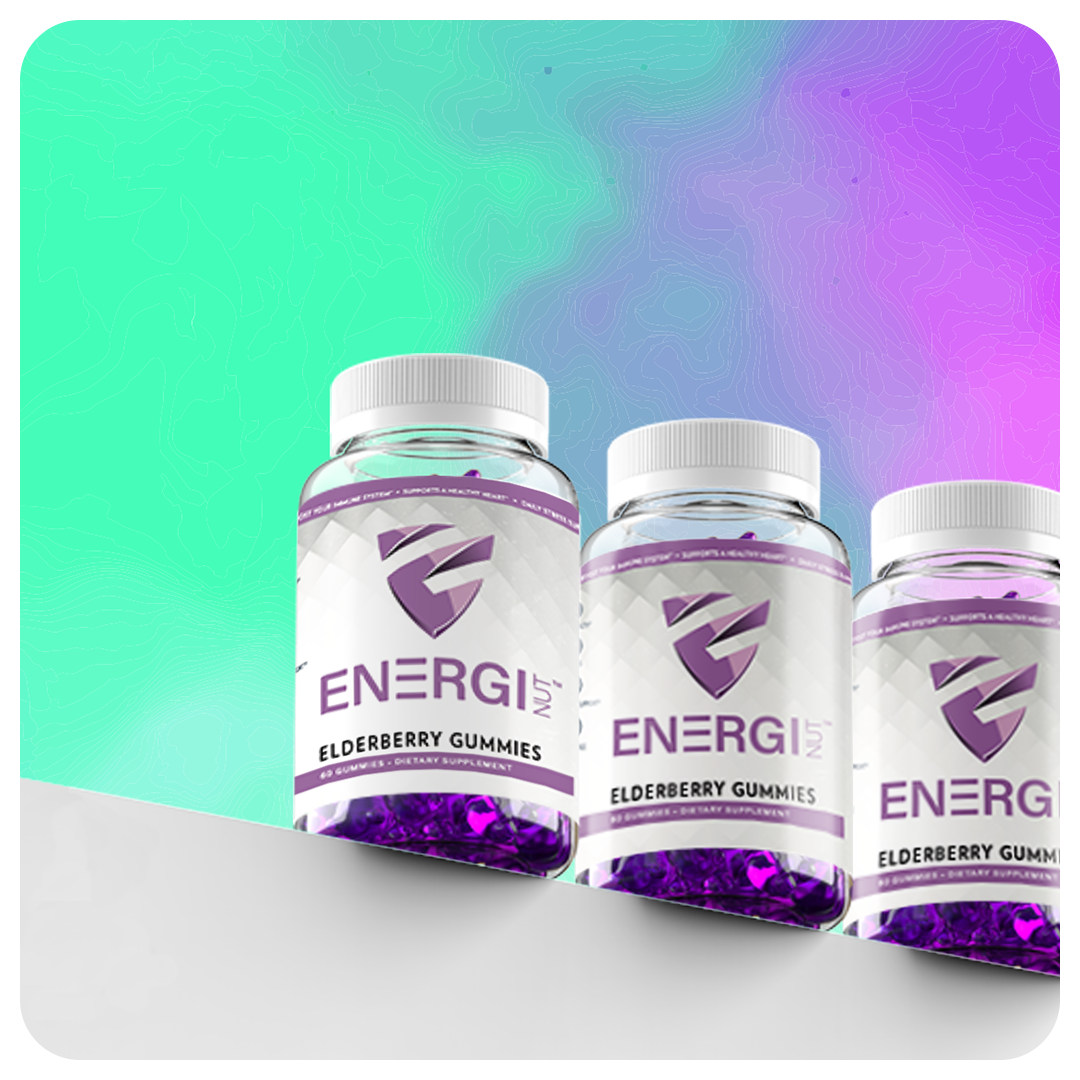
This states that only targeted formulations like the one Energinut has can lead the way here. Targeted formulations, paired with lifestyle adjustments, help break the feedback loop between stress and hormone imbalance. So your body can finally move from survival mode into recovery.
Where Supplements Fit In
Let’s be real, supplements aren’t magic bullets. But the right ones can make the road smoother. Clinically supported nutrients often used during perimenopause and burnout overlap include:
-
Magnesium (supports sleep and a calm nervous system)
-
Adaptogens (help modulate cortisol response)
-
B-complex vitamins (energy metabolism and mood)
-
Botanical extracts that support emotional balance
And this is when you should buy one, not just for yourself, but for the people who are unknowingly and patiently handling your uneve tanturms.
Energinut’s Women’s Peace is designed with this overlap in mind. Supporting emotional calm, hormonal balance, and stress resilience without overstimulation. It fits naturally within a broader lifestyle approach, especially for women navigating both stress and hormonal shifts.
Common Myths That Keep Women Stuck

As the saying goes, you can’t pour from an empty cup — and no amount of willpower overrides biology.
When to Seek Professional Support
While lifestyle and nutritional support help many women, you should consult a professional if you experience:
-
Severe depression or anxiety
-
Persistent insomnia
-
Heavy or unpredictable bleeding
-
Symptoms interfering with daily functioning
Hormone-literate practitioners and integrative clinicians are often better equipped to address this overlap.
Final Thoughts: Naming the Problem Is the First Relief
If there’s one takeaway from this guide, it’s this:
You’re not broken. You’re not lazy. And you’re definitely not “just stressed.”
Your body is communicating, and once you name what’s really happening, everything gets clearer. Whether it’s burnout, perimenopause, or both, the right support can help you feel like yourself again.
And that? That’s not asking for too much.
FAQs (People Also Ask)
-
Can stress delay or worsen perimenopause symptoms?
Yes. Stress doesn’t cause perimenopause, but elevated cortisol can intensify symptoms and slow recovery.
-
Can perimenopause cause anxiety and depression?
Absolutely. Estrogen fluctuations affect serotonin and dopamine, increasing anxiety and low mood.
-
How long does perimenopausal fatigue last?
It varies. For some women, fatigue comes in waves. For others, it persists until hormones stabilize.
-
How do I know if it’s burnout or perimenopause?
Cycle-linked symptoms point to perimenopause. Temporary relief after rest suggests burnout.
-
Do supplements really help with hormonal burnout?
They can support underlying biology when chosen correctly and paired with lifestyle changes.


