 GMP-Certified
 Sourced Organically
 Free Shipping over $100

How Digestive Enzymes Quietly Control Your Energy, Mood, and Hormones

How Digestive Enzymes Quietly Control Your Energy, Mood, and Hormones
You can eat all the right foods, follow a clean diet, and take high-quality supplements… and still feel off.
That’s the frustrating part nobody talks about enough.
Because when your energy dips every afternoon, your mood feels unpredictable, or you walk away from meals feeling heavy and sluggish, the assumption is usually the same: something in your diet needs fixing.
But in a lot of cases, the issue isn’t what you’re eating.
It’s what your body is actually absorbing.
That distinction between intake and absorption is where things start to break down for millions of people. And sitting right at the center of that process is something most people rarely think about: your digestive enzymes.
The Real Job of Digestion (It’s Not What You Think)
Most people think digestion is just about breaking food down.
It’s not.
The real goal of digestion is to convert food into nutrients your body can absorb and use. And that only happens if your digestive system is working efficiently from start to finish.
The process actually begins before you even take a bite. The smell and sight of food trigger the production of enzymes. From there, your body relies on a cascade of enzymes to break complex food into smaller, absorbable components as it moves through your digestive tract.
If that process runs smoothly, nutrients enter your bloodstream and fuel everything from your muscles to your brain to your hormones.
But if it doesn’t, things start slipping through the cracks.

The Three Enzymes That Run the Entire System
At the core of digestion are three major enzyme groups, each responsible for breaking down a different macronutrient.
Amylase
It handles carbohydrates. It starts working in your mouth and continues in the small intestine, breaking starches down into simple sugars your body can absorb. When amylase activity is low, carbohydrates don’t fully break down and instead begin fermenting in the gut, often leading to gas and bloating.
Lipase
Lipase is responsible for fat digestion. This is where things get more important than most people realize. Lipase doesn’t just help you process fat for energy, it’s also essential for absorbing fat-soluble vitamins like A, D, E, and K. Without proper fat breakdown, those vitamins simply don’t make it into your bloodstream.
Protease
The final protein that breaks down into amino acids. These amino acids are the raw materials your body uses for repair, immune function, and, critically, hormone production. Protease also helps release key minerals like zinc, magnesium, and B12 from the protein structures they’re bound to in food.
When these enzymes are functioning well, digestion is efficient and complete.
When they’re not, even a nutrient-dense diet can leave you undernourished.
What Happens When Digestion Falls Short
When enzyme output is insufficient, digestion becomes incomplete, and the effects show up in ways that don’t always seem connected to your gut.
Carbohydrates that aren’t fully broken down can ferment in the colon, creating gas and bloating. Fats that aren’t properly digested can pass through partially unabsorbed, reducing your intake of essential fat-soluble vitamins.
And proteins that aren’t fully broken down leave your body short on amino acids and key minerals. Over time, this leads to a subtle but meaningful nutrient deficit.
And because the body is incredibly good at compensating, this deficit doesn’t always trigger obvious warning signs right away. Instead, it shows up gradually:
-
Lower energy than you expect
-
Slower recovery
-
Mood changes
-
Hormonal imbalances that seem hard to explain
What makes this even more important is how common it is. A large percentage of people report digestive discomfort after meals, and millions live with underlying digestive inefficiencies, often without realizing that absorption is the real issue.

Why Absorption Is Where Everything Is Won or Lost
Here’s a key piece most people miss.
The majority of nutrient absorption happens in the small intestine, specifically the duodenum and jejunum. This is where vitamins, minerals, amino acids, and fatty acids enter your bloodstream.
But these absorption sites can only work with what they’re given.
If enzymes haven’t already broken food down into small enough components, those nutrients simply can’t be absorbed.
In other words:
👉 Your small intestine doesn’t fix poor digestion.
👉 It depends on digestion being done correctly first.
This is why someone can eat well, supplement consistently, and still develop deficiencies.
The Hormone Connection Most People Overlook
This is where the conversation shifts from digestion to something much bigger.
Your hormones are built from nutrients.
That means everything from your energy levels to your mood to your metabolism depends on your ability to absorb the right building blocks.
For example:
-
Testosterone production relies on zinc, magnesium, and Vitamin D
-
Thyroid function depends on zinc for proper hormone conversion
-
Cortisol regulation is closely tied to magnesium levels
-
Serotonin and dopamine are synthesized from amino acids like tryptophan and tyrosine
If those nutrients aren’t being absorbed properly, your endocrine system is essentially trying to function on limited resources.
And because hormones regulate so many systems in the body, the effects can feel widespread and disconnected even though the root cause may be the same.
The Domino Effect in Real Life
When you zoom out, the chain reaction becomes clear.
It often looks something like this:
-
Poor digestion
-
Incomplete breakdown of food
-
Reduced nutrient absorption
-
Nutrient deficiencies
-
Impaired hormone production
-
Fatigue, mood issues, metabolic changes
The challenge is that most people only see the last step.
They feel tired, stressed, or out of balance and never trace it back to digestion.
Signs Your Body Might Be Struggling
The body usually gives signals when digestion isn’t working as it should.
Some of the more common patterns include:
-
Bloating or gas shortly after eating
-
Feeling heavy after high-protein meals
-
Loose or greasy stools after fatty foods
-
Discomfort after dairy
-
Persistent fatigue despite eating well
-
Brain fog or mood fluctuations
Individually, these symptoms can have many causes. But when they show up together, they often point toward inefficient digestion and absorption.
Why Enzyme Support Can Make a Difference
Digestive enzyme supplements are designed to support your body during the most critical window: when you’re actually eating.
Taken with meals, they help ensure that carbohydrates, fats, and proteins are broken down more completely before they move further along the digestive tract.
This leads to:
-
Better macronutrient breakdown
-
Improved release of vitamins and minerals
-
Increased availability of amino acids
-
Reduced digestive discomfort
And ultimately, more nutrients reach your bloodstream, where they can actually be used.
What to Expect When Digestion Improves
One advantage of supporting digestion is that the effects often show up relatively quickly.
In the short term, people tend to notice:
-
Less bloating and gas
-
Smoother digestion after meals
Over time, as nutrient absorption improves, the benefits can extend further:
-
More stable energy levels
-
Better recovery
-
Improved mood and overall balance
The One Detail That Makes or Breaks It
If there’s one thing that matters most when using digestive enzymes, it’s timing.
They need to be taken with the first bite of a meal.
That ensures they’re active at the same time food is entering your digestive system, allowing them to assist in the breakdown process from the very beginning.
The Bigger Takeaway
At the end of the day, digestion isn’t just about avoiding discomfort.
It’s about making sure your body actually gets access to the nutrients it needs to function.
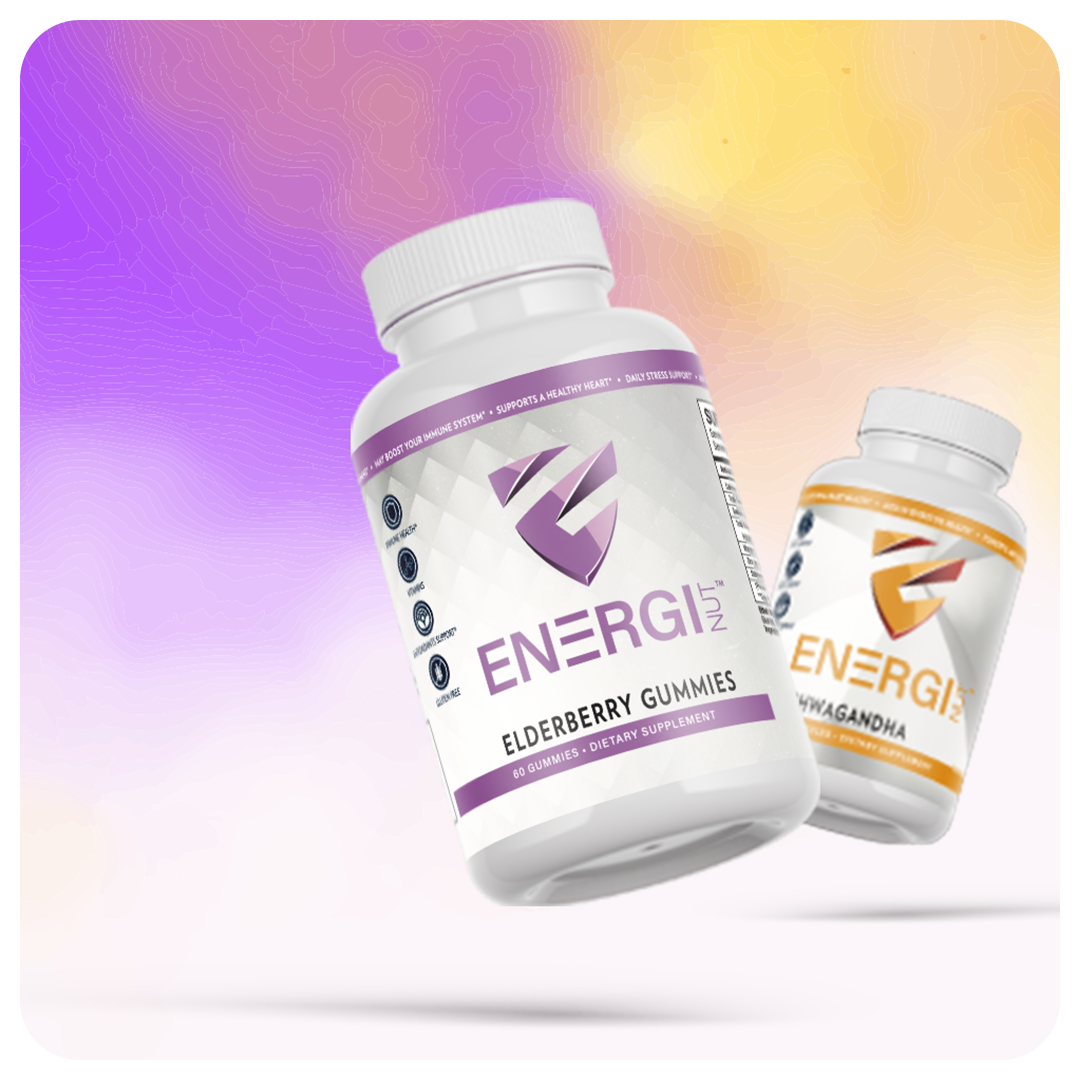
Because no matter how clean your diet is, or how many supplements you take, none of it matters if those nutrients aren’t being absorbed (another thing that matters is the place from where you take your supplements, so choose wisely. One of the best options is Energinut).
That’s why digestive enzymes are so foundational.
They sit at the very first step of the entire chain, the point where food either becomes fuel… or gets wasted.
Frequently Asked Questions
Can digestive enzymes help with nutrient deficiency?
Yes, indirectly. Enzymes don’t add nutrients, they help your body absorb more from the food you already eat.
If digestion is weak, nutrients like zinc, magnesium, and Vitamin D can pass through unabsorbed. Enzymes help close that gap — especially for fat-soluble vitamins (A, D, E, K), which depend on proper fat digestion.
Which enzyme matters most for hormone health?
All three work together:
Protease → releases amino acids, zinc, B12 (key for hormone production)
Lipase → helps absorb Vitamin D and fats used to build hormones
Amylase → supports stable energy
👉 Bottom line: you need a broad-spectrum approach, not just one enzyme.
Why am I deficient despite eating well?
Usually, it’s not intake, it’s absorption. Common causes include:
Low enzyme output (age, stress)
Low stomach acid
Gut imbalances
Long-term antacid/PPI use
👉 If food isn’t broken down properly, nutrients don’t get absorbed.
When should I take them?
With your first bite of food. This ensures that enzymes remain active while digestion occurs. Taking them before or after reduces effectiveness.


