 GMP-Certified
 Sourced Organically
 Free Shipping over $100

Does Collagen Actually Work? Experts Answer the Most Common Questions

Collagen is everywhere right now. Your Instagram feed, your favourite wellness podcast, the supplement aisle at every health store.
And yet, one question refuses to go away: DOES IT ACTUALLY WORK?
Or is it just the wellness world's most expensive marketing exercise?
Here's the honest answer: the science is more interesting and more encouraging, than the sceptics admit.
A landmark February 2026 umbrella review published in the Aesthetic Surgery Journal Open Forum analysed 113 randomised controlled trials involving nearly 8,000 participants.
The verdict? Consistent collagen supplementation genuinely improves skin elasticity and hydration.
But there's nuance. And that nuance is exactly what you'll find below, no hype, no corporate speak, just straight answers to the questions people are actually searching for.
The collagen supplement market hit $2.6 billion globally in 2025, growing at nearly 7% annually.
With that much money on the line, you deserve real information.
Q1: What Does Collagen Actually Do In Your Body?
Collagen is the most abundant protein in the human body, making up roughly 25–30% of all proteins. Think of it as the scaffolding inside your:
-
Skin
-
Joints
-
Gut lining
-
Tendons
-
Bones
It keeps everything firm, flexible, and structurally sound.
The problem? Your body starts losing collagen in your mid-20s, at a rate of about 1.5% per year.
By the time a woman reaches menopause, she can lose up to 30% of her skin's collagen in just the first five years.
Men lose it more slowly but consistently across decades.
Visible result: looser skin, stiffer joints, slower gut recovery, and nails that snap like twigs. Not inevitable, but biological.
Q2: Does Taking Collagen Orally Actually Reach Your Skin And Joints?
This is the question that trips people up the most, and it's a fair one.
If you eat a protein, your digestive system breaks it down into amino acids before it reaches your bloodstream.
So why would collagen be any different?
Here's the key:
Hydrolyzed collagen peptides, the form used in quality supplements, are broken into di- and tripeptides small enough to survive digestion and enter the bloodstream intact.
Once there, they travel to the dermis, where they signal fibroblasts to produce more collagen and slow its breakdown.
Research note: A 2025 randomised, double-blind, placebo-controlled clinical study published in PMC confirmed that bioactive collagen peptides reach the dermis via bloodstream transport and actively stimulate collagen type I and type III synthesis while inhibiting collagen-degrading enzymes.
So YES, it reaches where it needs to go. The delivery mechanism is real.
Q3: What Are The Actual Proven Benefits?
Let's call the shots straight. Here's what the research genuinely supports:
-
Skin elasticity and hydration: Most consistently supported. Clinical studies show meaningful improvements after 8–12 weeks of 2.5–10g daily.
-
Joint pain reduction: A PubMed meta-analysis found collagen supplementation reduced joint pain by 43% and improved joint mobility by 39%.
-
Gut lining integrity: Type III collagen specifically supports the gut's mucosal lining, relevant for anyone dealing with bloating, slow digestion, or leaky gut.
-
Hair and nail strength: Evidence is promising but more limited than skin and joint studies.
-
Wrinkle reduction: Modest improvements in fine lines, but this is where the research is most mixed and funding bias most flagged.
The bottom line: Collagen pulls its weight for skin, joints, and gut. The miracle anti-ageing claims are overstated; everything else is solid.
Q4: Which Type Of Collagen Should I Actually Take?
Not all collagen is the same, and this is where most people waste their money. Here's what each type does, and who it's genuinely for:

The smartest move?
A multi-collagen complex that covers Types I, II, III, V, and X simultaneously. So you're not guessing which type your body needs most on any given day.
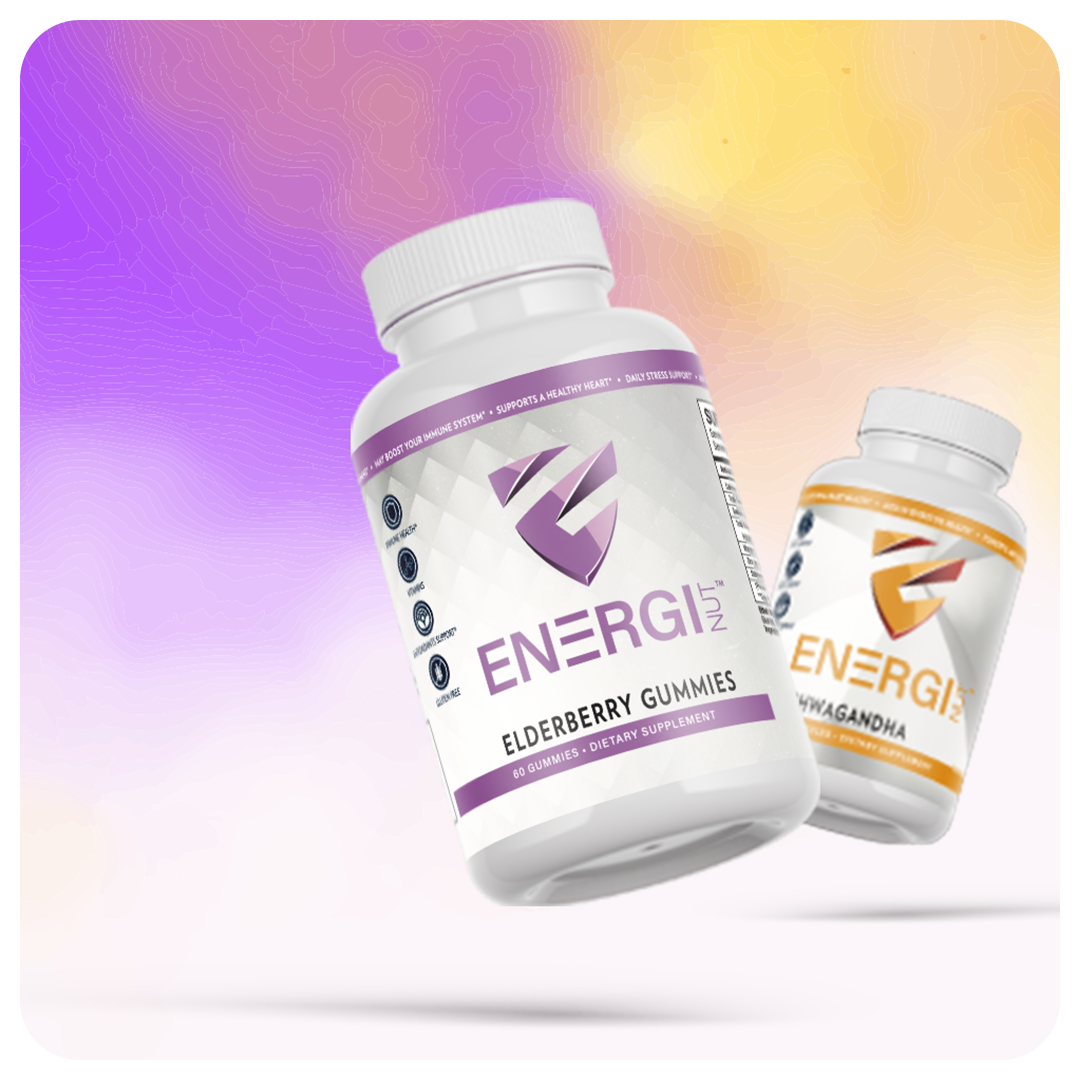
Energinut's Multi Collagen Complex does exactly that, delivering all five types in one formula, sourced from grass-fed bovine and wild-caught marine sources, with no artificial fillers.
Q5: How Long Does Collagen Take To Work?
Patience isn't optional here, collagen isn't a painkiller. Your body needs time to build new tissue. Here's what a realistic timeline actually looks like:
-
Weeks 1–2: Improved skin hydration and slight reduction in post-meal bloating (gut lining response)
-
Weeks 3–6: Noticeable improvement in skin elasticity and texture, less joint stiffness in the morning
-
Weeks 8–12: Measurable changes in skin density and hydration confirmed in clinical trials, consistent joint comfort improvement
-
Month 4+: Hair and nail benefits become apparent, gut lining repair more fully established
The catch-22 most people fall into: They quit at week 3 because they don't feel dramatic results.
Collagen is the long game, and the research backs exactly that.
Q6: Is All Collagen The Same Quality?
ABSOLUTELY NOT, and this is where the market gets messy.
In 2023, independent testing found measurable lead contamination in around 64% of collagen products tested.
That number is a gut punch, and it's exactly why sourcing and third-party testing matter.
What to look for in a collagen supplement:
-
Hydrolyzed peptides: Not raw collagen (raw collagen has extremely poor bioavailability)
-
Multiple collagen types: Type I and III minimum; I, II, III, V, X for comprehensive coverage
-
GMP-certified manufacturing: Ensures the label matches what's inside
-
Clean label: No artificial fillers, binders, or unnecessary additives
Energinut's entire supplement collection is GMP-certified and manufactured in FDA-registered US facilities.
So what's on the label is what goes in your body. No guesswork.
The Verdict: Does Collagen Actually Work?
YES. With the right form, the right dose, and enough consistency, collagen delivers on its core promises for skin, joints, and gut health.
The hype has muddied the waters. But the science, when you read it without marketing goggles, points in one direction:
Hydrolyzed collagen peptides from quality sources, taken consistently over 8–12 weeks, produce real, measurable results.
Don't throw your money at a brand that won't tell you where their collagen comes from or how it's manufactured.
If you're ready to do this properly, explore the Energinut wellness range or reach out to the team for a personalised recommendation.
Your collagen didn't disappear overnight. It won't come back overnight either.
But give your body the right tools consistently, and it'll show up for you.


