 GMP-Certified
 Sourced Organically
 Free Shipping over $100

Which vitamin deficiency causes a hormonal imbalance?

Ever feel like your body is working against you?
One week, you’re energized and focused. The next? You’re tired, bloated, moody, and nothing makes sense. Most people shrug it off.
“Probably stress.”
“Maybe hormones.”
“Just one of those things.”
But this is what you are missing every time:
Hormonal imbalance often starts with a nutrient deficiency.
Not aging. Not bad luck. Just your body is missing key building blocks.
Why Hormones Go Out of Balance (It’s Not Random)
Your hormones don’t just “act up” for no reason. They’re controlled by your endocrine system, a network that relies heavily on nutrients to function properly.
Think of it like this:
Hormones are the signals. Vitamins are the tools that create and regulate those signals.
No tools? No balance. That’s when things start slipping.
-
Estrogen gets out of sync
-
The thyroid slows down
And suddenly, you feel… off.
The Hidden Cause: Vitamin Deficiency
Here’s where it gets interesting.
Research from institutions highlights that nutrient deficiencies, especially Vitamin D and other key micronutrients, are directly linked to hormonal disruption.
In simple terms:
If your body lacks the right nutrients, it cannot regulate hormones properly. And it’s more common than you think.
Symptom Check: What Your Body Might Be Telling You
Before we look into specific deficiencies, let’s connect the dots. Because your symptoms are the clues.
Common signs of hormone-related nutrient deficiency are constant fatigue (even after rest), mood swings or irritability, irregular menstrual cycles, brain fog, poor sleep, hair thinning, or skin issues.
Now here’s the key insight: Each of these symptoms often points to a specific deficiency.
The 5 Key Vitamin Deficiencies That Disrupt Hormones
So, we have discussed everything in general, like the Why, What, and How behind vitamin Deficiency. This time, let’s get specific.
1. Vitamin D Deficiency (The #1 Hormone Disruptor)
If there’s one deficiency that flies under the radar, it’s this one. Vitamin D acts more like a hormone than a vitamin. And it directly influences your estrogen balance, ovulation, ad thyroid function.
Studies have linked low Vitamin D levels to irregular periods, PCOS, and increased risk of hypothyroidism.
And here’s the kicker: A large percentage of women are deficient, especially those who spend most of their time indoors.
What it feels like:
-
Low energy
-
Mood dips
-
Hormonal irregularities
If your hormones feel out of sync, this is often the ground zero.
2. Vitamin B Complex (Your Stress & Energy Regulators)
The B vitamins are like your body’s internal support system. Especially:
-
Vitamin B6 → helps regulate cortisol
-
Vitamin B12 → supports energy and brain function
When levels drop:
-
PMS symptoms worsen
-
Mood swings increase
-
Energy crashes hit hard
That’s because these are critical vitamins for hormone regulation. Without them, your body struggles to keep stress and hormone signals in check.
3. Magnesium Deficiency (The Stress Amplifier)
Magnesium is involved in over 300 biochemical reactions in the body. And many of them are hormone-related. It helps in calming the nervous system, regulating cortisol, and improving sleep quality
Low magnesium = higher stress.
And higher stress = hormonal chaos.
This is why magnesium is often recommended as a supplement for stress and hormone imbalance.
4. Iron Deficiency (The Energy-Hormone Connection)
Iron deficiency is incredibly common in women, especially those with heavy periods. It affects oxygen delivery, energy levels, and menstrual health.
But the connection most people miss is:
Low iron can worsen fatigue and indirectly disrupt hormonal stability. If you constantly feel drained, your body might be running on empty.
5. Vitamin C Deficiency (Your Cortisol Buffer)
Vitamin C is a famous immunity booster. But vitamin C isn’t just for immunity. It plays a key role in supporting your adrenal glands, the ones responsible for managing stress hormones.
When Vitamin C is low:
-
Cortisol regulation suffers
-
Stress recovery slows down
-
Hormonal imbalance worsens
It’s one of the most underrated nutrients for hormone health.
Why Most Women Miss This
Here’s the problem. Most women treat symptoms, not causes. They try random supplements, quick fixes, and trendy wellness hacks.
But they skip the most important step: Identifying what their body is actually lacking. And without that, progress is slow (or nonexistent).
Why Diet Alone Isn’t Always Enough
In theory, food should cover everything.
In reality? Not quite.
Modern lifestyles come with nutrient-depleted foods, chronic stress, and poor absorption
Even a “healthy diet” can fall short. That’s why many women still experience vitamin deficiency symptoms in women, despite eating well.
How to Fix Hormonal Imbalance at the Root
This is where things start to turn around.
Step 1: Identify the Deficiency
Don’t guess.
Look at your symptoms. Or better, get tested.
Knowing whether you’re low in Vitamin D, B12, or iron changes everything. Even your perspective on your problem as well.
Step 2: Rebuild with the Right Nutrients
Rebuild yourself by carefully targeting the right nutrients. Focus on:
-
Whole, nutrient-dense foods
-
Healthy fats (critical for hormones)
-
Protein for hormone production
But it’s true that sometimes, food alone isn’t enough.
Step 3: Use Targeted Hormone Support (Smartly)
This is where supplementation becomes powerful. Instead of taking random pills, the goal is to: Support your body based on what it’s missing
High-quality natural supplements for hormonal imbalance can help:
-
Restore nutrient levels
-
Support the endocrine system
-
Improve hormone regulation
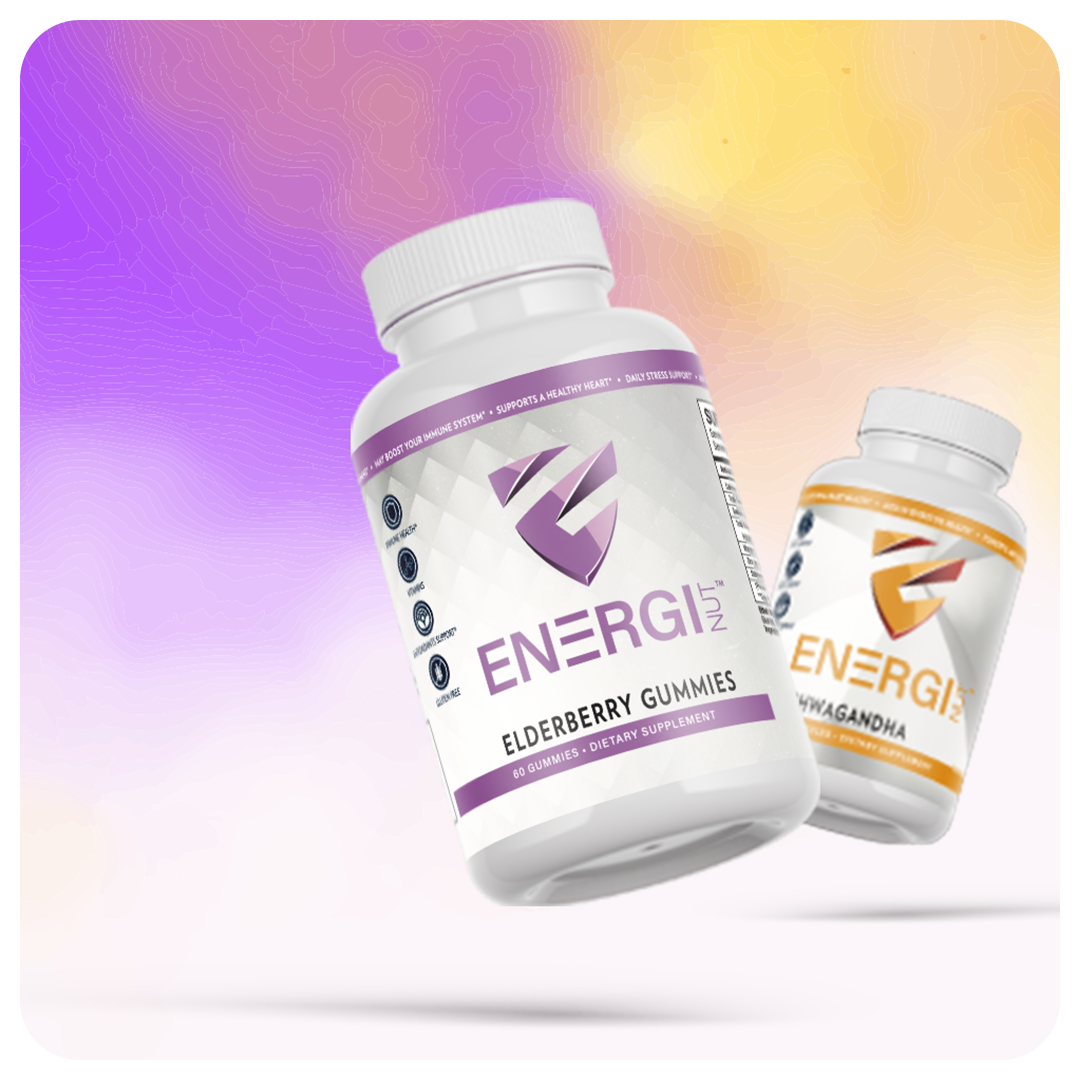
And this is where well-formulated solutions, like those from Energinut, fit in.
Their approach focuses on:
-
Clean, bioavailable ingredients
-
Science-backed formulations
-
Supporting real hormonal needs (not just surface symptoms)
So instead of guessing, you’re giving your body targeted support.
The Bottom Line
Hormonal imbalance isn’t random. And it’s not something you just have to “live with.”
In many cases, it’s your body sending a clear signal: “I’m missing something.”
That “something” is often a key nutrient.
From Vitamin D to B vitamins, Magnesium, and Iron, these play a direct role in how your hormones function.
So instead of chasing symptoms…
Start at the root.
Fix the deficiency.
Support your hormones.
And let your body do what it was designed to do.
Frequently Asked Questions
Which vitamin deficiency causes hormonal imbalance in women?
Vitamin D deficiency is one of the most common, along with low levels of B vitamins, magnesium, and iron.
Can Vitamin D deficiency affect hormones?
Yes. It plays a direct role in regulating estrogen and supporting thyroid function.
What are the signs of vitamin deficiency affecting hormones?
Common signs include fatigue, mood swings, irregular periods, poor sleep, and brain fog.
Can fixing nutrient deficiencies improve hormonal balance?
In many cases, yes. Addressing deficiencies helps your endocrine system function properly, which supports hormone regulation.
Do I need supplements for hormone balance?
Not always, but targeted supplements for hormone support can be helpful when diet alone isn’t enough.
